Senior Lecturer & Head of Petrology, University of Bristol

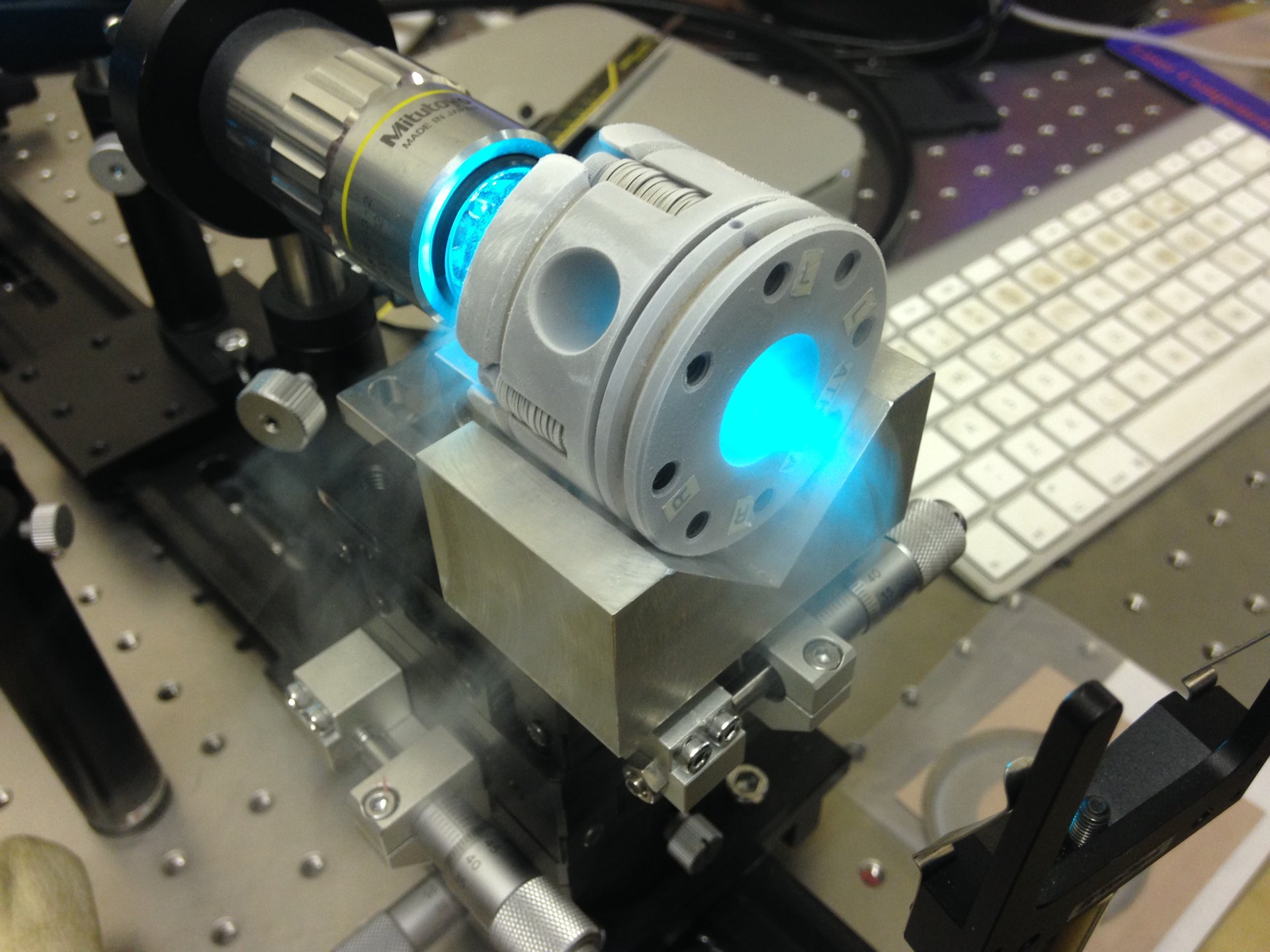
My research centres on the behaviour of matter at extreme pressures and temperatures. I use and develop experimental techniques and equipment — including laser-heated diamond anvil cells, large volume presses, optical spectroscopy, and synchrotron X-ray methods — alongside computational approaches to tackle problems that cut across geology, physics, and engineering.

Much of my work aims to understand the interior structure and evolution of the Earth and planets, but I also enjoy applying high-pressure methods more broadly: to the properties of metals and metallic glasses, the synthesis of novel superconducting materials with physicists, and — most recently — biomineralisation in a rapidly warming world with palaeobiologists.

I held a Royal Society University Research Fellowship from 2016 to 2025 and currently lead a NERC-funded project on copper transport in subduction zones in collaboration with UCL, UNLV, and Diamond Light Source.

Research

Critical Metals & Natural Hydrogen

Tracing how copper moves through subduction zones — and exploring the geological potential of natural hydrogen.

NERC

Deep Volatile Cycling

How water, carbon, and sulfur move through the Earth's interior — stored in minerals, dissolved in melts, and transported by fluids.

NERC / Royal Society

Melting & Phase Relations in the Deep Earth

Mapping how rocks and metals melt and transform at the extreme conditions of planetary interiors.

Royal Society / NERC

Metals at Extreme Conditions

Probing the atomic structure and physical properties of metallic liquids, glasses, and solids at extreme pressures and temperatures.

Royal Society

High-Pressure Superconductors

Synthesising hydrogen-rich cage compounds that superconduct near room temperature — a collaboration with condensed matter physicists.

EPSRC

Biomineralisation & Climate

How ocean warming and acidification alter the shells and skeletons of marine organisms — from foraminifera to rhodoliths.

Royal Society